The library for understanding AI
Clear books on artificial intelligence, written to be finished.
Clear, practical books on artificial intelligence, for curious beginners and busy professionals. Plain language first, worked examples always, and no hype.
Featured · Fundamentals
AI Foundations
The clearest starting point: what AI really is, how machines learn from examples, and why they succeed and fail.
Featured · Practical AI
Prompt Craft
Get consistently better results from AI assistants with clear structure, good examples and a reliable debugging method.
Featured · Deep Learning
Inside the Transformer
A clear tour of the architecture behind modern AI: tokens, embeddings, attention, training and generation.
Featured · Business
AI Strategy
A practical framework for organisational AI strategy: opportunities, capabilities, data, operating model, risk, investment and execution.
Featured · Programming
AI for Developers
How software developers can work effectively with AI coding tools and build reliable AI-powered features into their applications.
- Immediate deliveryYour download opens right after payment
- PDF + web editionDRM-free, read on any device
- Free samplesRead chapter one first
- 30-day refund promiseNo reason needed
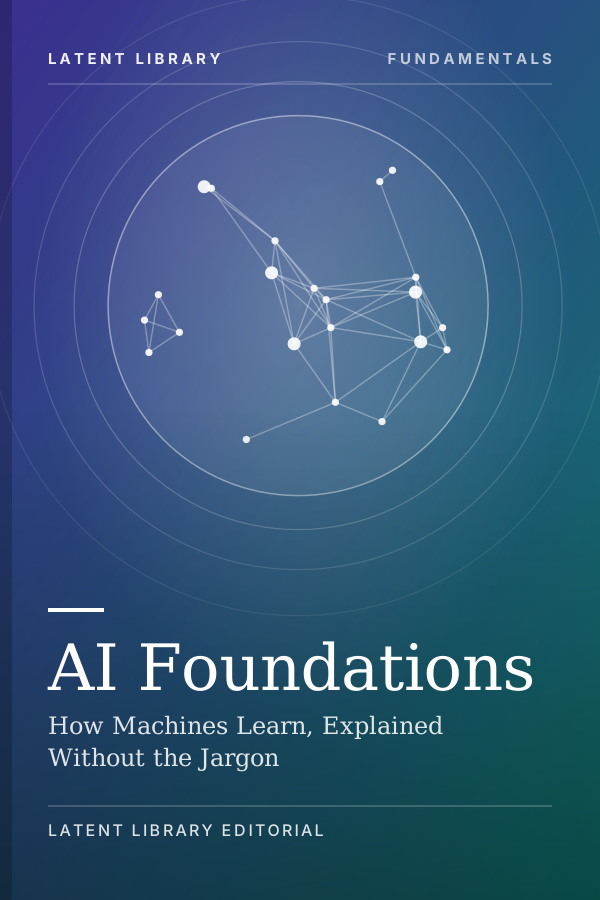
Editor's pick · Fundamentals
AI Foundations
How Machines Learn, Explained Without the Jargon
The clearest starting point: what AI really is, how machines learn from examples, and why they succeed and fail.
- 81 pages
- 15 chapters
- Beginner
- PDF + web edition
The catalogue
Every book in the library
AI Foundations
The clearest starting point: what AI really is, how machines learn from examples, and why they succeed and fail.
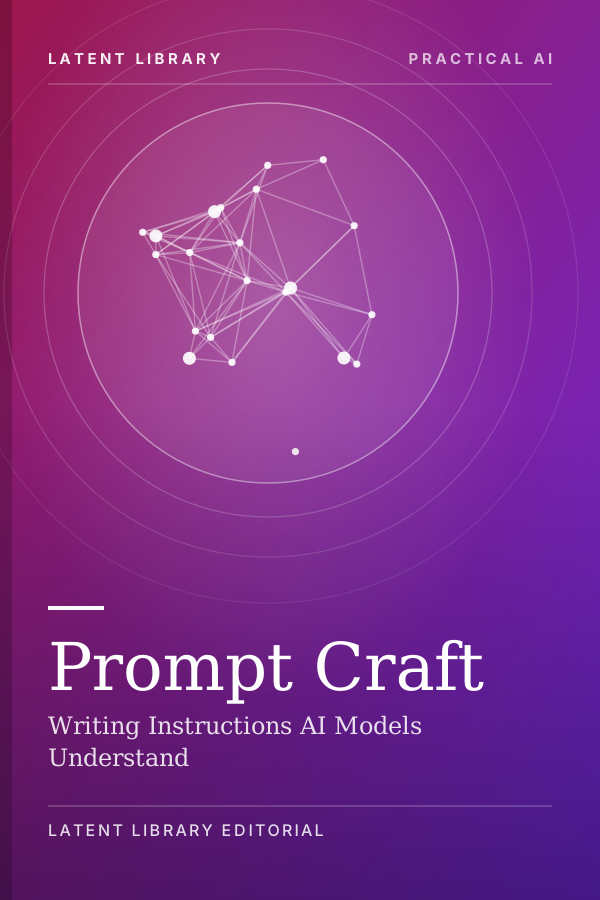
Prompt Craft
Get consistently better results from AI assistants with clear structure, good examples and a reliable debugging method.
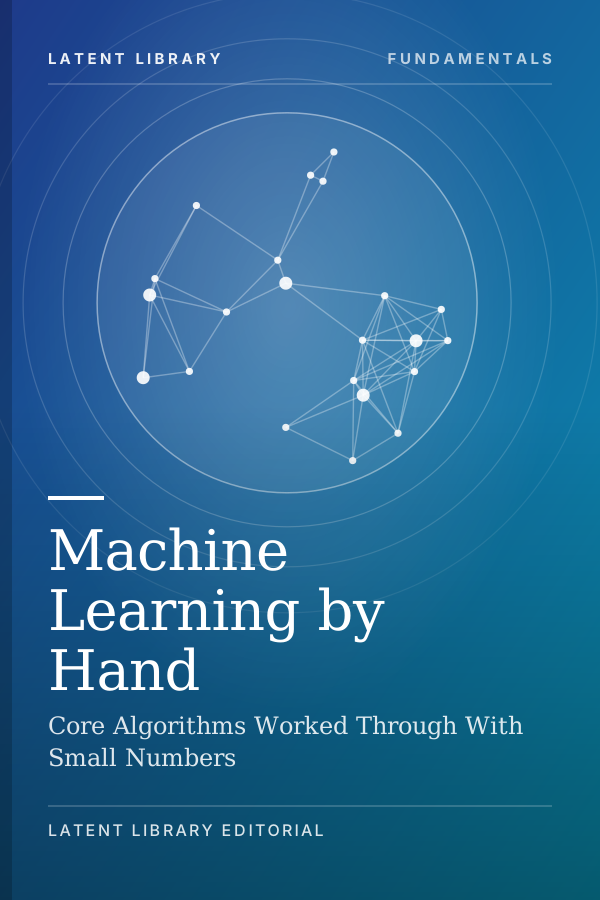
Machine Learning by Hand
Understand the classic algorithms by computing them yourself, with small datasets and every step shown.
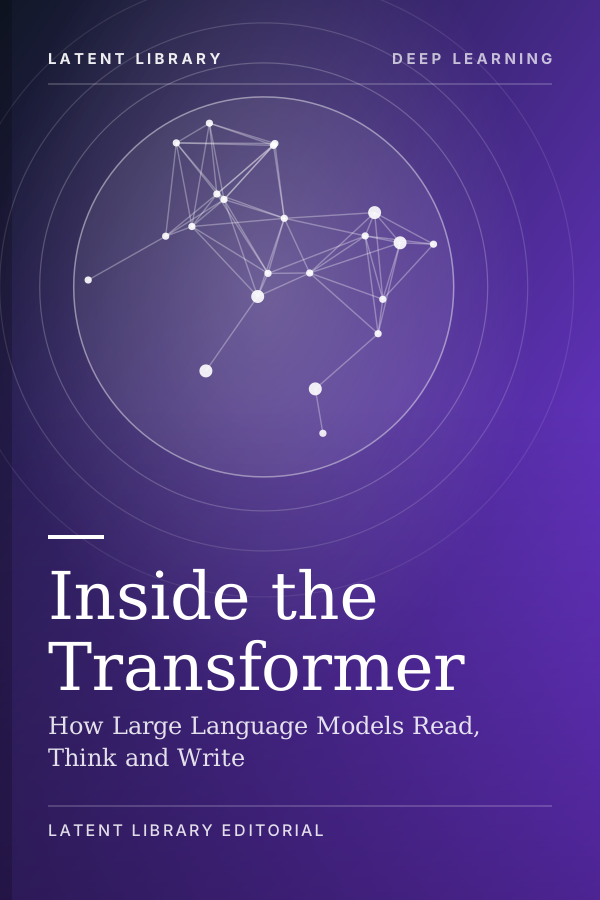
Inside the Transformer
A clear tour of the architecture behind modern AI: tokens, embeddings, attention, training and generation.
Building With Retrieval
Design, build and evaluate assistants that answer from your own documents accurately and with sources.
AI Agents in Practice
How to build AI agents that take real actions reliably: tools, loops, planning, memory, guardrails and testing.
Data for AI
The unglamorous work that decides whether AI succeeds: defining, collecting, cleaning, labelling and documenting data.
Responsible AI
Turn principles into practice: concrete methods for fair, private, transparent and safe AI, plus a governance process.
AI for Small Business
A no-hype playbook for owners and small teams: where AI really helps, which tools to choose, and a 30-day plan.
Evaluating AI Systems
How to know whether an AI system really works: metrics, test sets, LLM judges, A/B tests and red teaming.
AI for Marketers
A practical playbook for using AI across research, content, campaigns and measurement, without losing your brand's voice or your audience's trust.
AI in the Classroom
How teachers can use AI to plan, differentiate and give feedback, how to redesign assessment, and how to teach students to use AI well.
AI in Healthcare
A clear-eyed introduction to AI in medicine: imaging, documentation, triage and research, with the evidence, risks and safeguards that matter.
AI for Finance Professionals
How accountants, analysts and finance teams can use AI for analysis, reporting and risk work, with the controls auditors will expect.
AI for Legal Teams
How lawyers and legal teams can use AI for research, drafting and document review while meeting duties of competence, confidentiality and candour.
Leading With AI
What managers need to know to lead teams through AI adoption: choosing work to change, building skills, managing risk and measuring results.
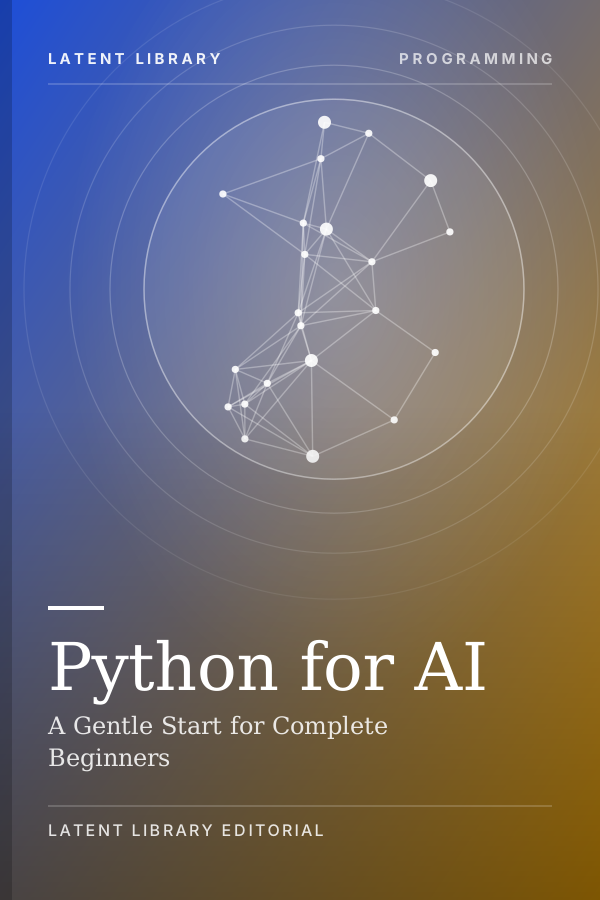
Python for AI
Learn enough Python to explore data, call AI models and build small useful tools, starting from zero and explained step by step.
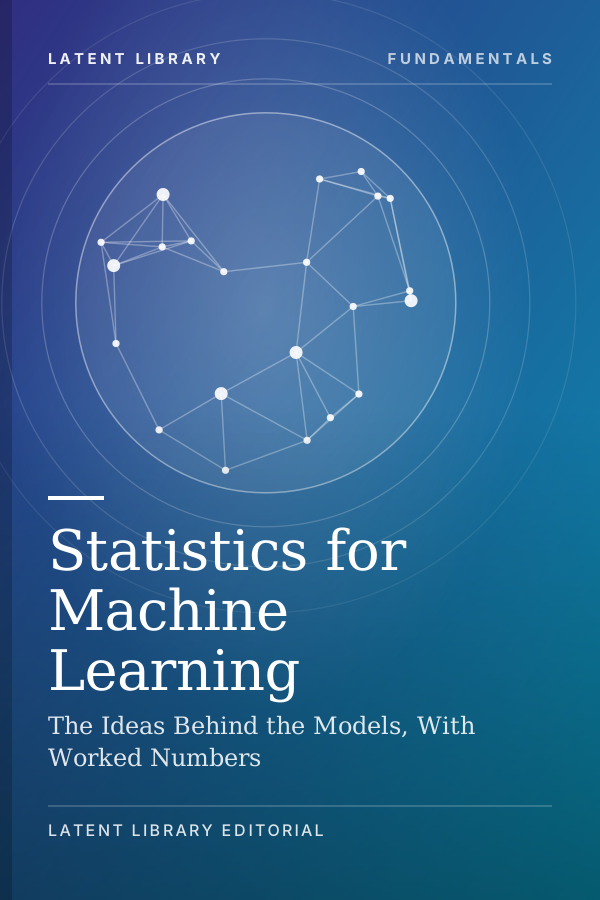
Statistics for Machine Learning
The statistics every ML practitioner needs (distributions, sampling, estimation, testing and regression) explained in words and worked through by hand.
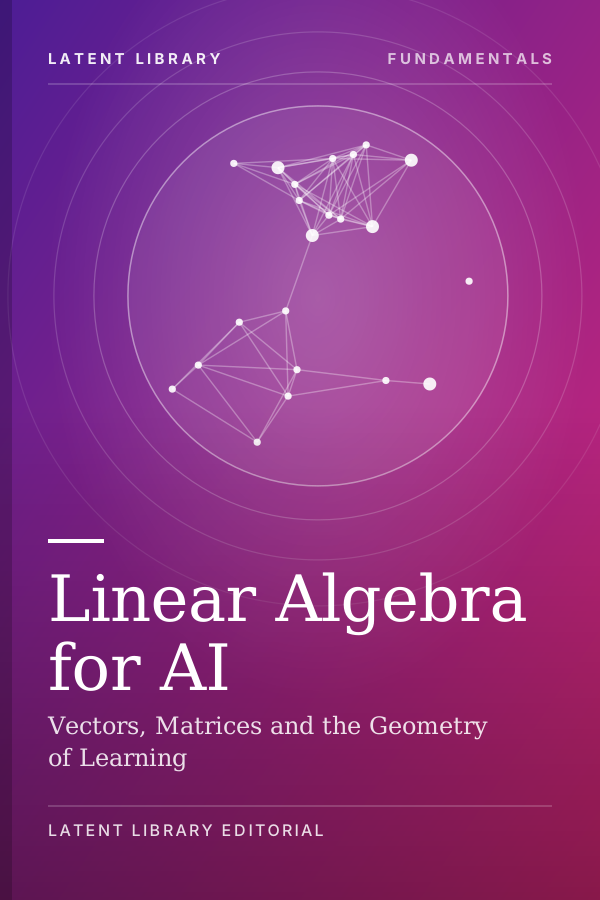
Linear Algebra for AI
The linear algebra behind embeddings, neural networks and PCA, built up visually and with small worked examples.
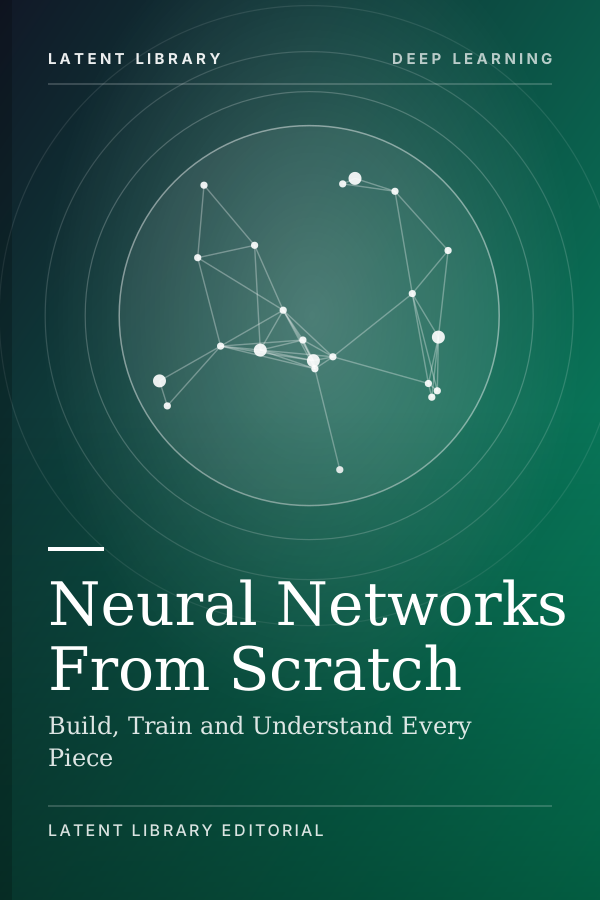
Neural Networks From Scratch
Build a neural network from first principles: neurons, layers, losses, backpropagation, optimisers and regularisation, with code and worked numbers.
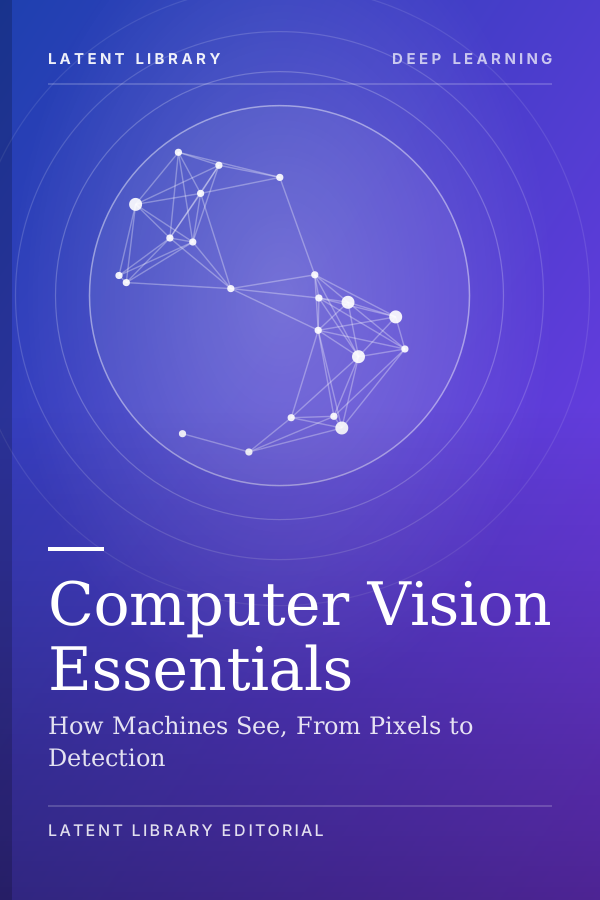
Computer Vision Essentials
Images as data, convolutions, classification, detection, segmentation and vision transformers, with practical guidance on data and evaluation.
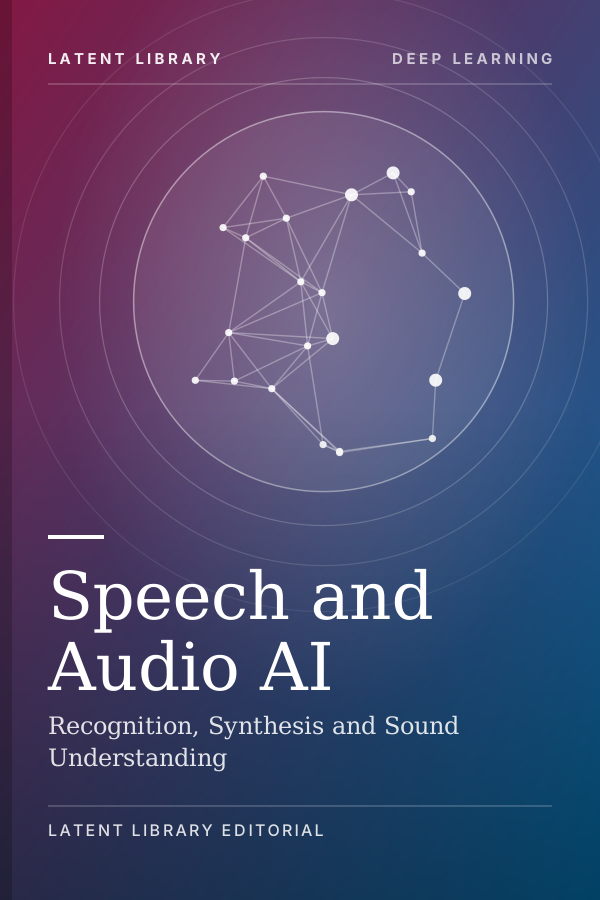
Speech and Audio AI
How machines hear and speak: audio fundamentals, speech recognition, text-to-speech, audio classification and voice assistants, with their limits and ethics.
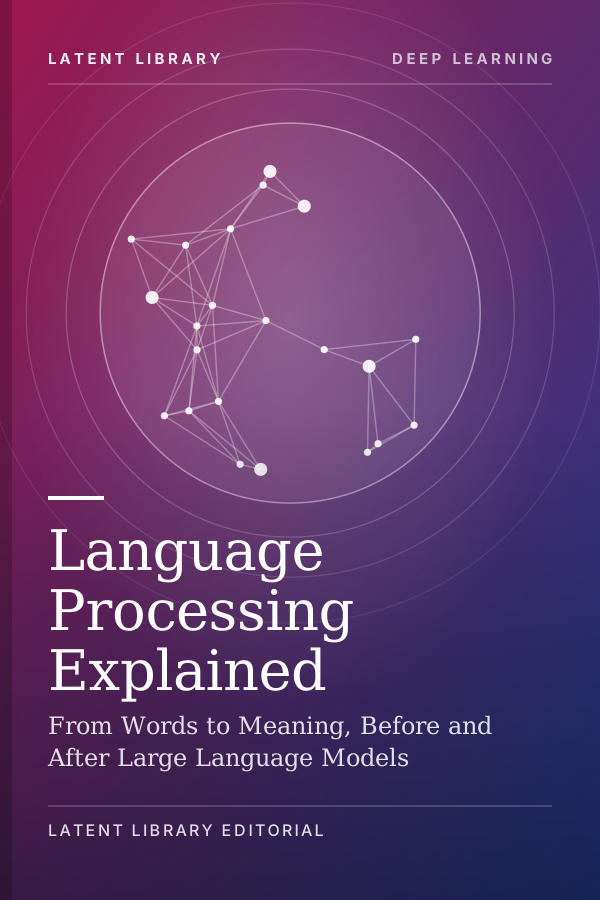
Language Processing Explained
The full story of natural language processing: text cleaning, classic methods, embeddings, sequence models and transformers, and when each is the right tool.
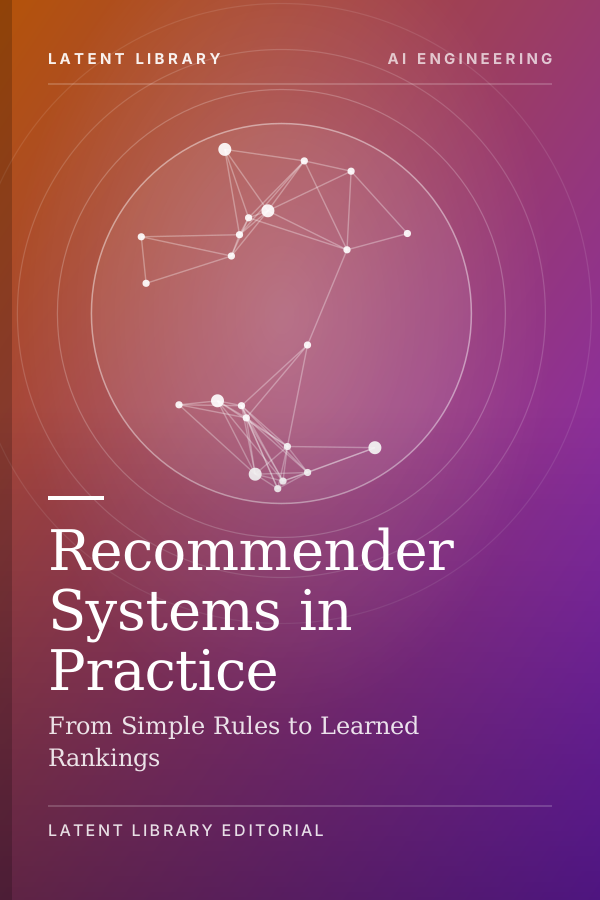
Recommender Systems in Practice
How to design, build and evaluate recommendation systems: collaborative filtering, content-based methods, embeddings, ranking and responsible design.
Time Series Forecasting
Forecasting from first principles: trends, seasonality, baselines, classical models, machine learning and honest uncertainty.
Reinforcement Learning Explained
How agents learn from trial and reward: bandits, Markov decision processes, Q-learning, policy gradients and RL in today's language models.
Diffusion and Generative Images
How image generators work (autoencoders, GANs, diffusion and text conditioning), how to use them well, and the rights and risks involved.
Fine-Tuning Language Models
A practical guide to adapting language models: deciding when to fine-tune, preparing data, parameter-efficient methods, preference tuning and evaluation.
MLOps in Practice
The engineering discipline that keeps models working after launch: versioning, pipelines, deployment, monitoring, retraining and governance.
AI Product Management
How to discover, define, build and launch AI products: problem selection, data, evaluation, user experience, risk and metrics.
Designing AI Experiences
UX principles and patterns for AI features: setting expectations, showing sources and uncertainty, handling errors, and keeping users in control.
AI Security
How AI systems are attacked (prompt injection, data poisoning, evasion, extraction and supply-chain compromise) and how to defend them.
AI and Privacy Law
What data protection law means for AI projects: lawful basis, transparency, rights, automated decisions, international transfers and impact assessments.
AI Strategy
A practical framework for organisational AI strategy: opportunities, capabilities, data, operating model, risk, investment and execution.
Writing With AI
How writers can use AI as a research assistant, brainstorming partner and editor, while keeping their own voice, originality and integrity.
AI for Customer Support
How support teams can use AI for drafting, triage, knowledge bases and self-service, with quality controls that protect customers and agents.
AI for Developers
How software developers can work effectively with AI coding tools and build reliable AI-powered features into their applications.
Knowledge Graphs and Reasoning
How to model, build, query and use knowledge graphs, and how they combine with language models for more reliable reasoning.
Small Models and On-Device AI
How to make models small and fast enough for phones, laptops and edge devices: compression, quantisation, distillation and deployment.
AI and the Future of Work
A balanced look at how AI changes jobs, tasks and skills, and practical guidance for workers, managers and policymakers.
Learning paths
Not sure where to begin?
Three routes through the library, from your first steps to running AI in production. Pick the one that matches where you are today.
Start here
No background needed. Build a clear mental model of AI and use it well from day one.
- AI FoundationsBeginner · 81 pages
- Responsible AIAll levels · 80 pages
- AI for Small BusinessBeginner · 80 pages
- AI for MarketersBeginner · 81 pages
- AI in the ClassroomBeginner · 80 pages
- AI in HealthcareAll levels · 81 pages
Go deeper
Open the box: the maths, the models and the data that make modern AI work.
- Prompt CraftBeginner to Intermediate · 80 pages
- Machine Learning by HandIntermediate · 82 pages
- Inside the TransformerIntermediate · 80 pages
- Data for AIIntermediate · 80 pages
- AI for Finance ProfessionalsBeginner to Intermediate · 81 pages
- Statistics for Machine LearningBeginner to Intermediate · 81 pages
Build & ship
Design, test and run real AI systems: retrieval, agents and evaluation in production.
- Building With RetrievalIntermediate to Advanced · 83 pages
- AI Agents in PracticeAdvanced · 81 pages
- Evaluating AI SystemsIntermediate to Advanced · 81 pages
- Fine-Tuning Language ModelsIntermediate to Advanced · 81 pages
- MLOps in PracticeIntermediate to Advanced · 84 pages
- AI SecurityIntermediate to Advanced · 82 pages
Inside every book
Designed for reading, not skimming.
- Plain language firstEvery idea is explained in everyday words before any formula or code appears.
- Worked examples and checklistsCalculations done step by step, real scenarios, and checklists you can use at work.
- Book-quality layoutClean typography, chapter openers, highlighted key ideas and a full table of contents.
- Two editions includedA print-ready PDF and a responsive web edition with a clickable table of contents.
How it works
From payment to chapter one in seconds
Choose your book
Read the description, the full table of contents and a free sample chapter before you decide.
Pay on the same page
Card, PayPal, Google Pay or Apple Pay, without leaving the book’s page. We never see or store your card details.
Download instantly
Your download page opens the moment your payment is confirmed. PDF and web edition, yours to keep, with a 30-day refund promise.
Questions
Frequently asked
What do I receive when I buy a book?
A DRM-free PDF, laid out like a printed book, and a web edition (HTML) that reads well on any phone, tablet or computer. Both are yours to keep.
How quickly will I get my book?
Immediately. You pay on the book’s page, and as soon as the payment is confirmed your personal download page opens, with the PDF and web edition ready. There is nothing physical to ship. See the Shipping Policy for details.
How can I pay?
Visa, Mastercard and other cards, PayPal, Google Pay and Apple Pay, all on the book’s page. Payments are processed securely by Stripe and PayPal; we never see your card details.
Can I read part of a book before buying?
Yes. Every book has a free sample with the introduction and the whole first chapter. Open any book and choose “Read a free sample”.
What if the book is not right for me?
Ask for a full refund within 30 days, no reason needed. Read the Returns & Refunds policy for how it works.
Which devices can I read on?
Any device that opens a PDF or a web page: Kindle and other e-readers (via PDF), iPad, Android, Windows, Mac and Linux. You can also print the PDF for personal use.
Do I need a technical background?
Not for the beginner titles. Each book page shows its level, and the learning paths above suggest an order to read them in.
Start with a free chapter today.
Every book comes with a free sample. Read the first chapter, and keep going only if it’s right for you.